A sturdy wooden table covered with a carefully organized spread of mutual aid essentials: neatly stacked brown paper grocery bags with handwritten labels, rows of fresh produce in reusable cloth sacks, envelopes stamped “Emergency Grants,” and a small, well-worn notebook open to a bold header reading “Community Care Plan.” The table sits in front of a large window framed by exposed brick, with overcast daylight softly illuminating the scene and creating gentle shadows underneath each object. Photographic realism with a shallow depth of field keeps the focus on the supplies while the background of blurred urban rooftops hints at a dense city. Captured at a slightly elevated angle, the mood is practical, urgent, and hopeful, emphasizing direct service and mutual support.

Our Work

Explore how Radical Love Foundation organizes mutual aid, education, and care across our communities.

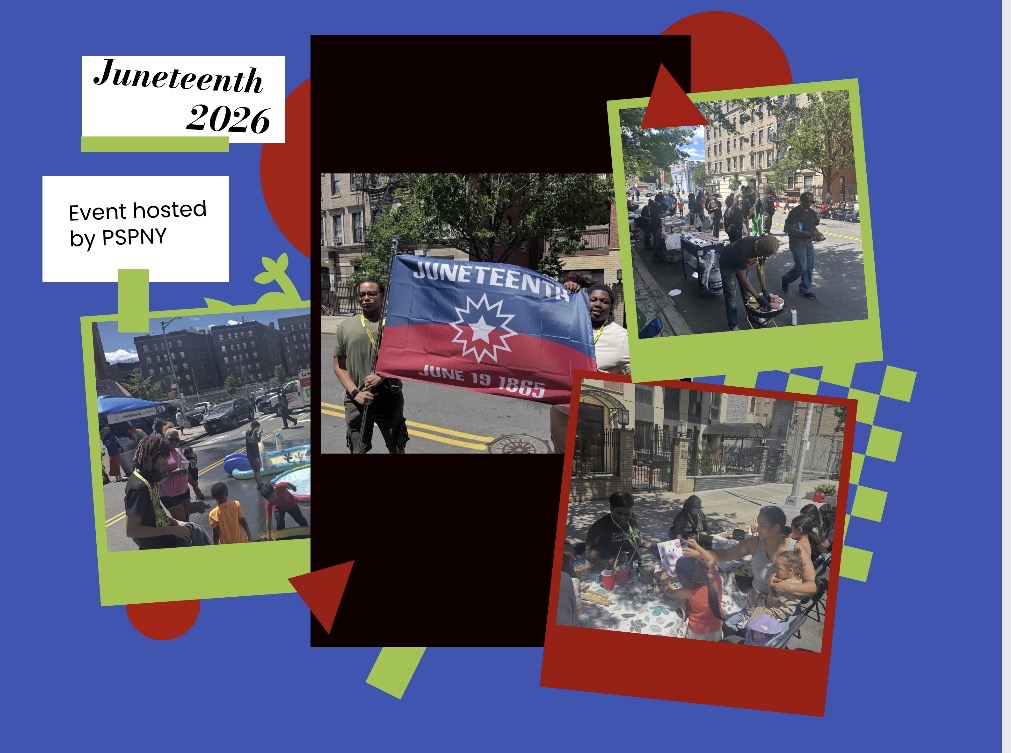
Community Events

6/10/26

Harlem Hub

Central Harlem

7/05/26

Unity Center

Bedford, BK

8/02/26

Riverfront Pavilion

Newark, NJ

6/17/26

Freedom House

West Harlem

7/12/26

Brownstone Garden

South Bronx, NY

8/09/26

Justice Hall

Yonkers, NY

6/24/26

Morningside Commons

East Harlem

7/19/26

Neighbor Lab

Crown Heights

8/16/26

Sanctuary Studio

Jersey City

Connect

Use this form to RSVP, request event sponsorship, or offer space and resources.

Harlem, New York City

← Back

Thank you for your response. ✨

A row of community grant folders spread across a dark walnut desk, each thick kraft-paper folder stamped in large, ink-brush letters with words like “Housing Justice,” “Youth Art,” “Healing Spaces,” and “Co-op Groceries.” Colorful sticky notes protrude from the edges, and a black fountain pen rests diagonally across one folder, leaving a fresh signature line still glistening with ink. The desk is set near a large city-facing window at golden hour, with warm sunlight streaming in, catching dust motes in the air and creating long, dramatic shadows. Shot from a low, side angle in photographic realism, the composition uses the rule of thirds to emphasize the folder labeled “Housing Justice.” The mood is focused, decisive, and empowering, highlighting grantmaking as a direct investment in community care.
A bold, oversized heart-shaped mosaic made from tiny fragments of broken red, gold, and deep purple glass, each shard carefully arranged into the words “Radical Love” across the center. The mosaic rests against a rough, charcoal-gray concrete wall covered with faint chalk outlines of community-centered symbols like books, megaphones, and open hands. Late afternoon natural light slants in from the left, creating sharp contrasts and sparkling highlights on the glass surface, while the background falls into a soft blur. Photographic realism, eye-level composition, and a slightly wide-angle lens create a powerful, grounded atmosphere that feels determined, unapologetic, and full of transformative energy, perfectly embodying abolition and community care without showing any people.
An intersecting network of bold, painted lines in deep red, indigo, and bright yellow sprawls across a large, weathered plywood board, forming a stylized neighborhood map labeled “Central Harlem Community Partnerships.” Small wooden blocks painted as tiny buildings, libraries, and community gardens are placed at key intersections, connected by thin pieces of crimson yarn that stretch between them like veins. Overhead industrial-style pendant lights cast a warm, even glow, making the colors rich and saturated while soft shadows define the textures of wood and paint. Captured from a slightly elevated, three-quarter angle with full sharpness, the photographic scene feels strategic, creative, and visionary, symbolizing interconnected community partnerships and abolitionist infrastructure without depicting any people.
A bold, oversized heart-shaped mosaic made from tiny fragments of broken red, gold, and deep purple glass, each shard carefully arranged into the words “Radical Love” across the center. The mosaic rests against a rough, charcoal-gray concrete wall covered with faint chalk outlines of community-centered symbols like books, megaphones, and open hands. Late afternoon natural light slants in from the left, creating sharp contrasts and sparkling highlights on the glass surface, while the background falls into a soft blur. Photographic realism, eye-level composition, and a slightly wide-angle lens create a powerful, grounded atmosphere that feels determined, unapologetic, and full of transformative energy, perfectly embodying abolition and community care without showing any people.